


Do new energy vehicles need to have coolant added?
Release date:
2022-05-12
Author:
Source:
Abstract
It’s undeniable that interest in new-energy vehicles is growing by the day—especially electric cars, which are now ubiquitous. From their sleek aesthetics to their comfort, from their cost-effectiveness to their cutting-edge tech, even longtime enthusiasts who once prized the roar of traditional engines can’t help but be intrigued by the distinctive, engaging designs of EVs.
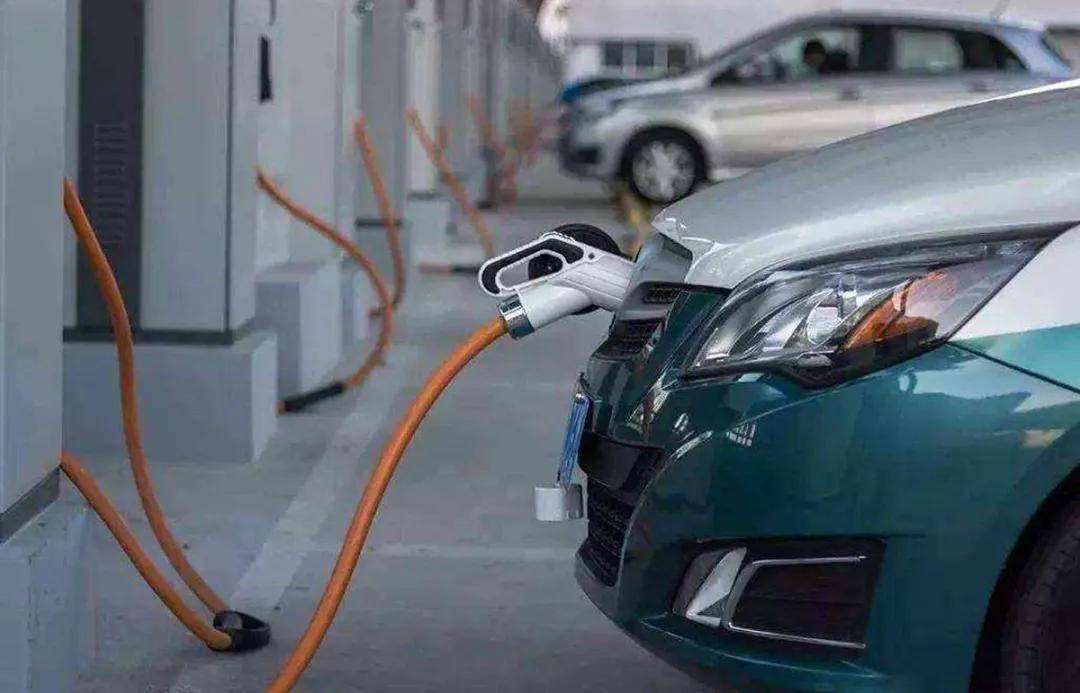
Since it runs on electricity and does not rely on the combustion of gasoline—thus avoiding the heat‑generating process associated with internal‑combustion engines—, Do new energy vehicles require a cooling system?
The answer is yes. Electric vehicles also require coolant: the battery generates heat during charging and discharging, necessitating cooling, while it needs to be heated at low temperatures to maintain optimal performance. In addition, the motor, motor controller, and DC/DC converter produce heat during operation and likewise rely on coolant for thermal management.
Since it is designed to cool batteries, the cooling system of an electric vehicle must meet stricter sealing requirements than that of an internal-combustion engine. Furthermore, The coolant for electric vehicles must be anhydrous. Moreover, this coolant must not be an electrolytic fluid, as it could easily cause a short circuit.
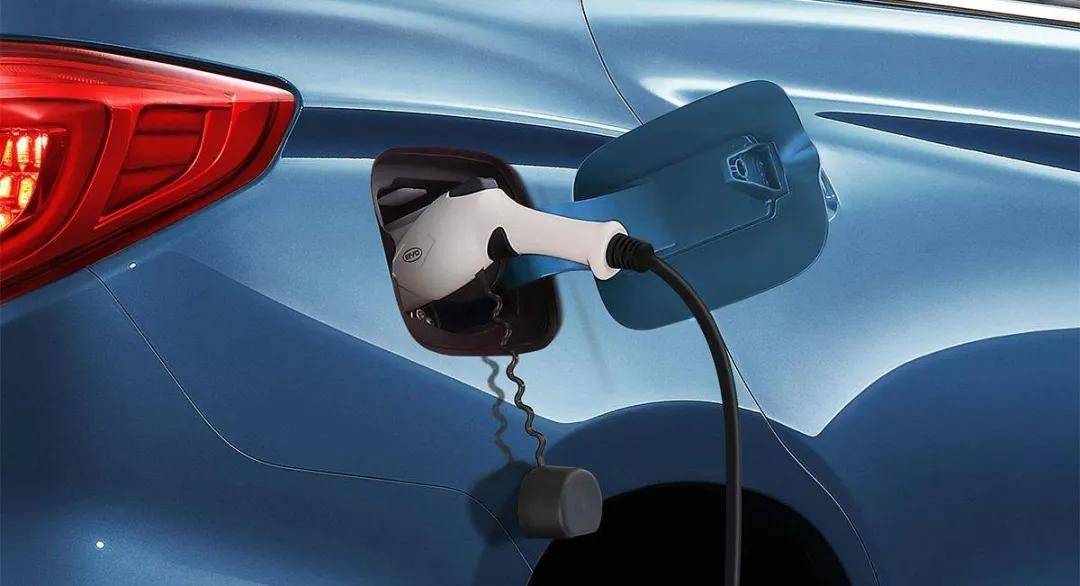
As the market share of new energy vehicles grows, It is believed that waterless coolants will become even more widespread in the future, gradually replacing aqueous coolants and opening up broader prospects.
Besides preventing the hazards of electrical leakage, what other advantages does waterless coolant offer?
I. Corrosion resistance: Prevents internal engine corrosion, keeping the radiator and cooling system looking like new for years to come.
II. No or very low pressure: The cooling system operates at no or very low pressure, allowing the radiator cap to be opened at any time.
III. Increased Power: Eliminates the steam‑insulating layer, resolves localized engine overheating, and unlocks the engine’s full power output.
IV. Quick acceleration: Shorter acceleration distance, smoother acceleration, and more seamless gear shifts.
V. Fuel efficiency: Provides the engine with an ideal operating temperature, enabling more complete and efficient combustion.
VI. High boiling point and low freezing point: eliminates low-temperature freezing and expansion, as well as high-temperature overheating.
VII. Thermal equilibrium: exceptional thermal conductivity, viscosity varies with temperature, and it helps maintain a stable internal engine temperature.
VIII. Emission Reduction: Improved engine operating conditions lead to more complete combustion, reducing emissions and lowering engine noise.
9. Reduced maintenance: Prevents internal corrosion in the engine cooling system, lowers maintenance costs, and extends engine life.
X. Slow cooling: delays uneven heat dissipation in the engine.

Related industries
Liaoning Qizhong New Energy Technology Co., Ltd.
2023-04-24
Kali Chain Enterprise Management Co., Ltd.
2021-04-12
Ruiqi Seven O’Clock Training and Management Co., Ltd.
2020-10-22
Shanghai Qizhong Lubricant Co., Ltd.
2020-10-22
No. 97-2, Quanyun Road, Hunnan District, Shenyang City, Liaoning Province